






History
Adico is a Portuguese metal-furniture manufacturer founded in 1920 by Adelino Dias Costa. The company’s history began with iron furniture and developed into a factory in Avanca, in the municipality of Estarreja, where the business remains based. A surviving public record notes that the enterprise began in 1920 and was formally constituted in 1923.
During the 1930s Adico expanded into technically demanding hospital furniture while also developing metal tables and chairs for cafés, gardens and public terraces. From that outdoor line came the form now associated with the Portuguese chair: curved metal tubing, a compact seat and a silhouette that became familiar across the country’s cafés and public spaces.
The company grew into a substantial industrial employer and exporter during the middle decades of the twentieth century. Rather than turning its archive into a fixed heritage collection, Adico has continued to rework its metalworking language through new chairs, stools, tables, lounge furniture and storage, collaborating with Portuguese designers and architects.
Recent projects make that continuity explicit. Pedro Sottomayor’s Maria chair revisits the 5008 family in aluminium; André Pinto’s 5008-B extends it into a stool; Adico and Atelier Daciano da Costa reissued the 1983 Peninsular Chair; and Kengo Kuma developed the reduced, visually light 5008 Osaka for the Portugal Pavilion at Expo 2025 Osaka.
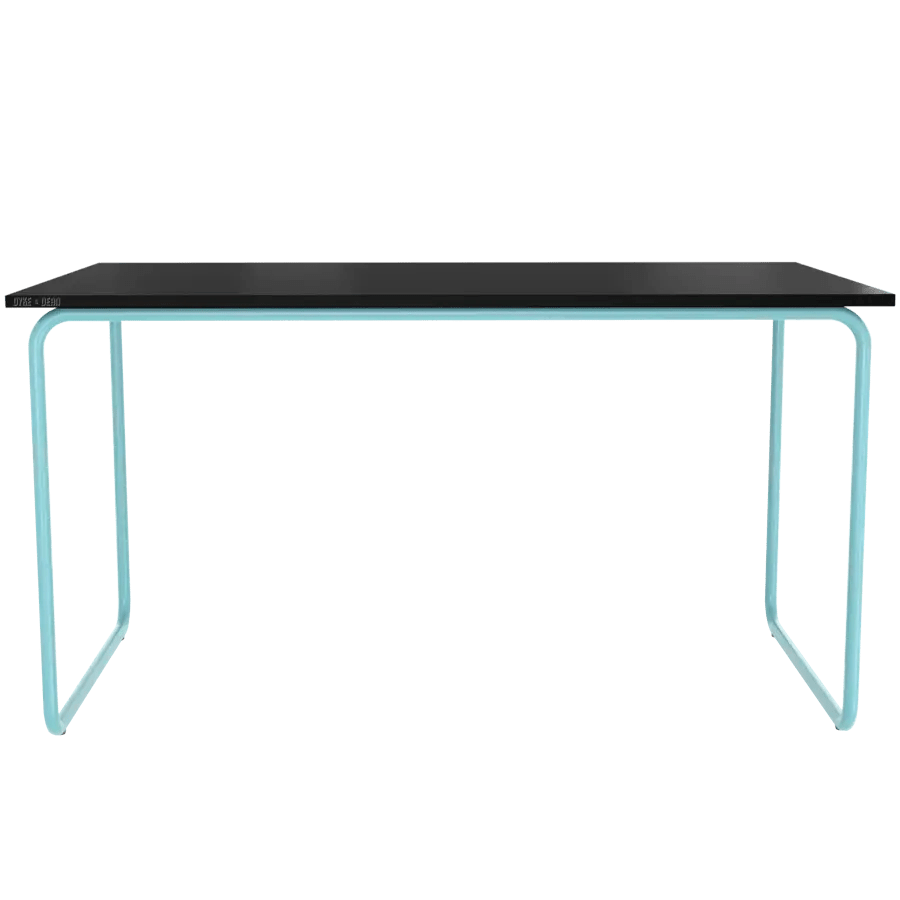
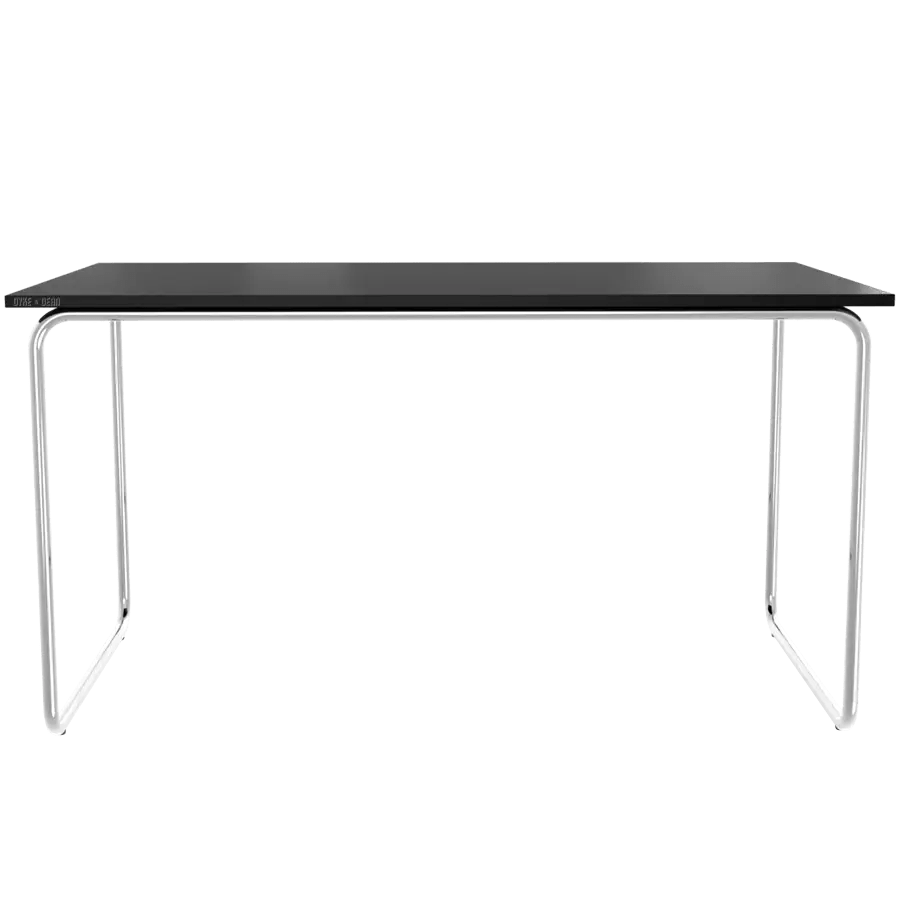
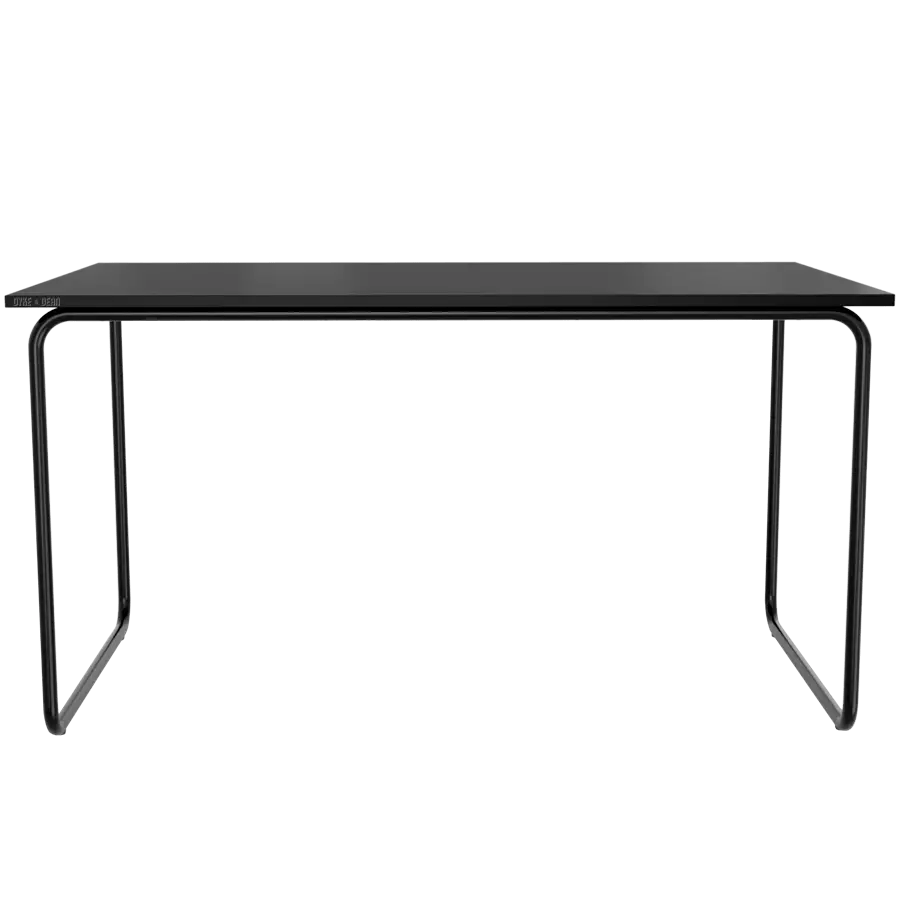
Dyke & Dean’s published catalogue reflects that breadth rather than presenting Adico as a single-chair brand. The current storefront snapshot contains 103 Adico product records across chairs, tables, stools, lounge furniture, benches, sofas, storage and model-specific accessories.